chochin
長珍

since 1868

Aichi Prefecture

Back in the day, the people at Chochin couldn’t afford to print labels for their sakes, so they wrapped the bottles in sheets of the local newspaper. 

The makeshift presentation proved so popular that it’s still done today, and emulated by other breweries. 

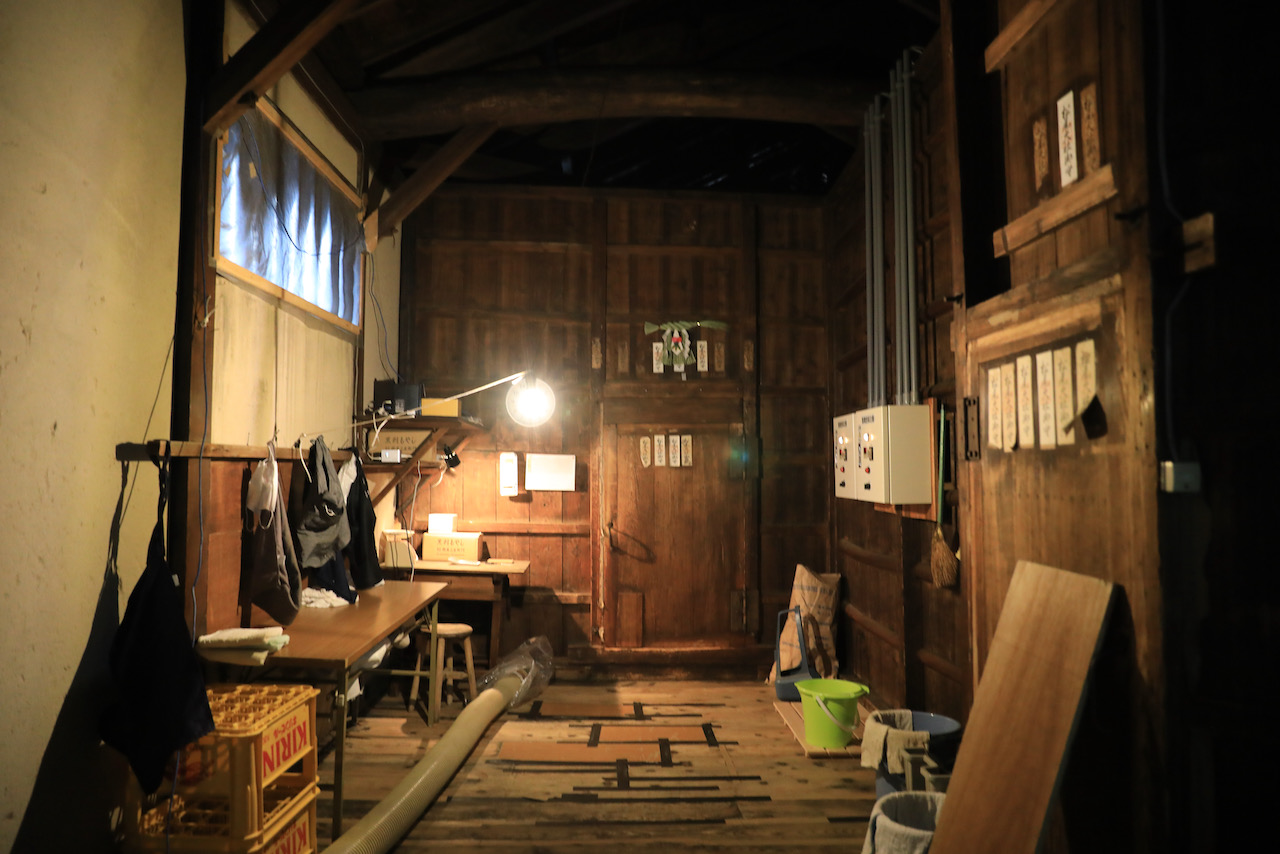
Masayuki Kuwayama makes about 45,000 liters of sake a year in a brewery that could handle five times that. Asked why he doesn’t make more, he says he’d die.
During the brewing season, he sleeps little more than three hours a night. Chocolate keeps him going; he says a proper meal might knock him out. Watching him work, you begin to understand where the hours go.
He washes the rice by hand in 10-kilo batches, then drains it on sunoko mats, turning every bag to make sure it dries evenly on both sides. He keeps pumping to a minimum because he believes it stresses the sake. After use, the pump is dismantled down to the smallest screw and cleaned to remove any residue that could spoil a later batch.
For years, this attention to detail helped Chochin collect gold medals—nine years in a row. But Kuwayama started wondering what this pursuit of wins was costing him. The clean, restrained profile favoured by competition judges left no room for the regional character he wanted. So he stopped entering.

His newspaper-wrapped Shinbunshi range gives a better idea of what he likes to drink: rich, umami-packed junmai, bottled unfiltered, undiluted and unpasteurised. Bold and robust at first, they mellow and deepen over time. They’re made to accompany food, develop with age and taste good warm.

Even the newspaper wrapping takes time. They use surplus copies from a local shop, and Kuwayama’s wife checks the pages, looking for attractive photographs and cheerful stories. She tries to keep the bad news off the bottles.

Send us a Message

""

Masayuki Kuwayama